


Expert Tips for Picky Eaters
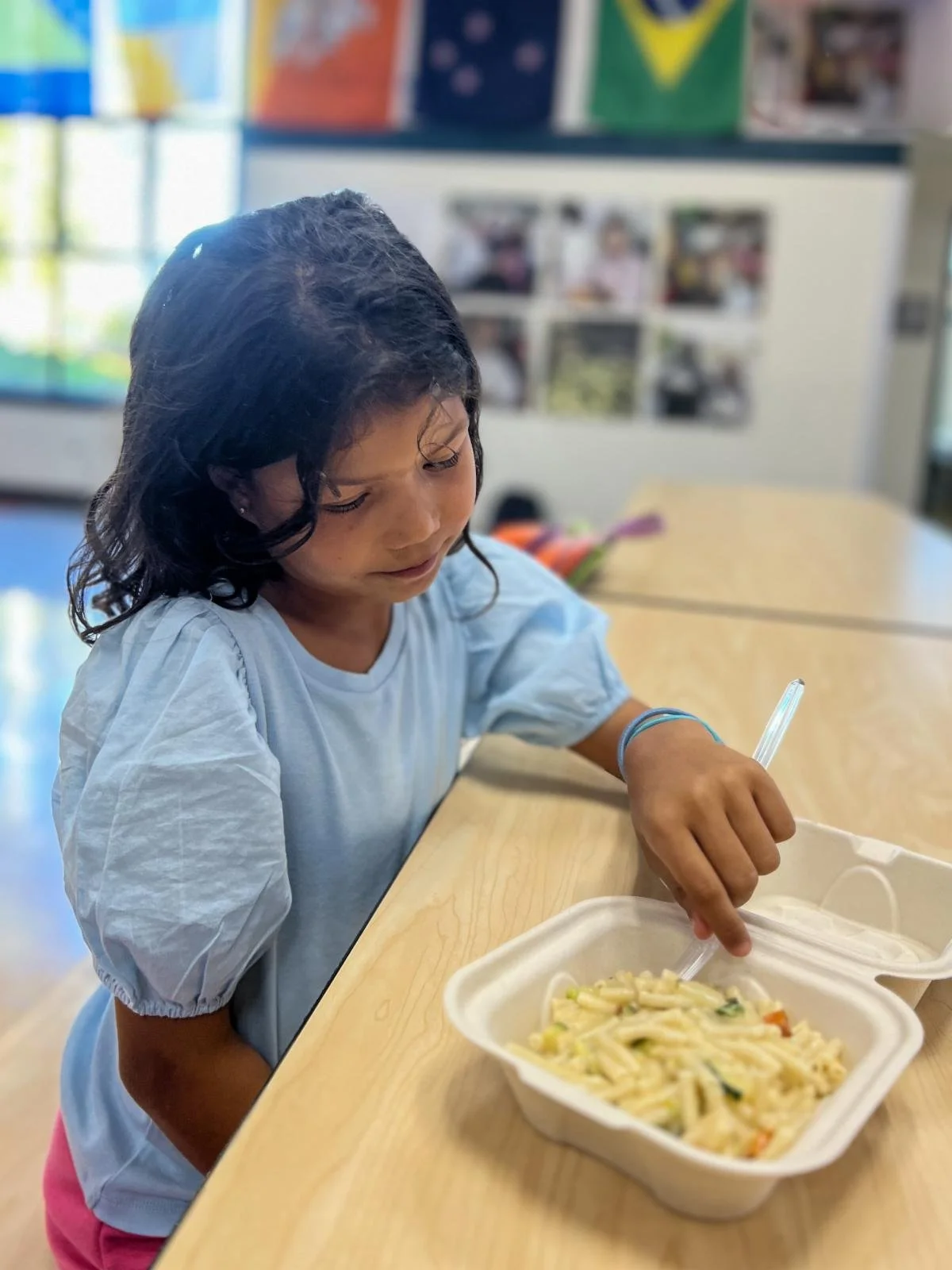
Do you wonder why so many kids say “I hate vegetables,” or are so reluctant to try different foods? Last month food scientist, Anna Leachman, gave a talk to our instructors about How Sensory Experiences Influence Liking, in order to help them understand some of our pickier students. Anna has a masters in food science from UC Davis and over 10 years of experience applying her knowledge of sensory and consumer science for companies such as Dragonfly SCI, Amy's Kitchen, PepsiCo and Unilever. Not only are we delighted to announce that she's joining us as a grant writer but also to share her insights on picky eaters.
Firstly, children have a heightened sensory ability and a stronger bitter receptor than adults, so foods taste stronger to them. They are often afraid of unfamiliar foods, but are unable to articulate this. Their past negative experiences with a food will lead them to expect future experiences to be negative as well. Our goal is to create positive experiences for that child which will enable them to adjust their expectations, leading to acceptance of that food. This can be achieved through positive modeling and exposure. Using tactics to tap into the child's analytical mind instead of their judgemental mind decreases fear and rejection and increases likelihood of trying the food.
If a child says they don’t like a food, ask them for five reasons why not. Don’t accept the answer, ‘because it’s yucky.’ Instead, ask for a few adjectives to describe appearance, aroma, flavor and texture. Also, try asking them to describe the differences between herbs like parsley and cilantro, or how the food sounds when they chew it. This requires them to think deeply about and familiarize themselves with new foods. Trying food doesn’t have to equate with liking it, but over time familiarity increases the likelihood that a child will do so. If a child has had a bad experience with a certain food, like an overly snowy apple, or old, overly soft tomatoes, it’s worth gently presenting them with fresh versions to see if they can change their preconceptions. Don’t give up on the first attempt, repeated but unpressured exposure increases familiarity, thereby increasing the likelihood of acceptance.
If a child dislikes a meal, ignite their creativity by asking them how they’d change it. Asking for their help with meal planning also engages their enthusiasm and increases the chance of them liking a meal, as does serving an unfamiliar food alongside a familiar one.
To avoid rejection, visual expectations must meet taste expectations. A dessert that's bitter instead of sweet is an obvious example of a disappointing meal. Appearance, texture, and prior experience are all reasons for rejection.
Even if you think a food smells or looks strange, telling that to a child can initiate an adverse reaction when they may not have had the same negative impression. If you consistently model enjoying and eating healthy foods and meals, this will create a positive influence on a child over time, even if there's initial resistance. Removing judgement and pressure to like certain foods is key. Some kids are more resistant than others, for many different reasons, but we hope some of these approaches will help your picky eater to be more flexible. However, if your child continues to be extremely resistant to a variety of foods, despite your best efforts, it’s a good idea to consult with your pediatrician.